

In 1998, we identified PRL3 gene (Zeng et al., BBRC 1998). In 2001, Professor Vogelstein and his team from Johns Hopkins University first demonstrated a role of PRL3 gene in cancer progression and metastasis (Saha et al., Science 2001).
PRL3 is an intracellular protein (inside cell) overexpressed in many tumors and has been reported globally by many research laboratories. Since PRL3 is specifically overexpressed in tumors but undetectable in most normal tissues, we anticipate that PRL3 is an excellent tumor specific antigen for cancer therapy. Traditionally, intracellular oncoproteins (such as PRL3) are targeted by small chemical inhibitors (chemotherapy), mainly because intracellular compartments are presumed to be inaccessible to large antibody drugs. However, as compared to chemotherapy, antibody therapy is more target specific thus causing less off target side effects.


Our team has dedicated decades of translational research in multiple acute cancer mouse models to develop a new concept of using PRL3 antibody (instead of small chemical inhibitors) to target intracellular PRL3 protein as a novel cancer immunotherapy. Professor Soldano Ferrone, a well-known immunologist from Harvard Medical School described our concept findings (Guo et al., Science Translational Medicine, 2011) as ‘Hidden Immunotherapy Targets Challenge Dogma’ (Perspective STM, 2011).
We demonstrated that the intracellular PRL3 could be flipped ‘inside-out’ or externalized in the tumor micro-environment and to be bound by PRL3-zumab , which then recruits the immune cells to tumor site, leading to tumor cell death. We revealed the scientific molecular mechanism of action (MOA) model as shown on the left (Thura et al., Nature Communications 2019).
PRL3 oncotarget is overexpressed in > 80 % of tumors across 11 common cancer types that we have examined namely, Acute Myeloid Leukemia (AML), Lung, Liver, Pancreas, Thyroid, Gastric, Kidney, Bladders, Breast, Colon and Prostate. Furthermore, PRL3 oncoprotein has also been reported to be overexpressed in other cancer types, such as Cervical, Ovary, Myeloma, Multiple myeloma, Lymphoma, and many more.
Since PRL3 is a highly tumor-specific target, we therefore generated PRL3-zumab , the First-in-Class humanized antibody as a ‘Research Product’ to move into First in Man in 2017. PRL3-zumab specifically targets PRL3 overexpressing tumors and will not damage surrounding healthy tissues because they do not express the PRL3 oncotarget and this is an alternative to chemotherapy.
We anticipate that our PRL3-zumab is a unique antibody drug to treat multiple cancers overexpressing intracellular PRL3.
Our technology represents an innovative approach of an unconventional cancer immunotherapy against a broad range of cancer types. PRL3-zumab antibody drug will significantly increase therapeutic efficacies and reduce side effects to cancer patients.
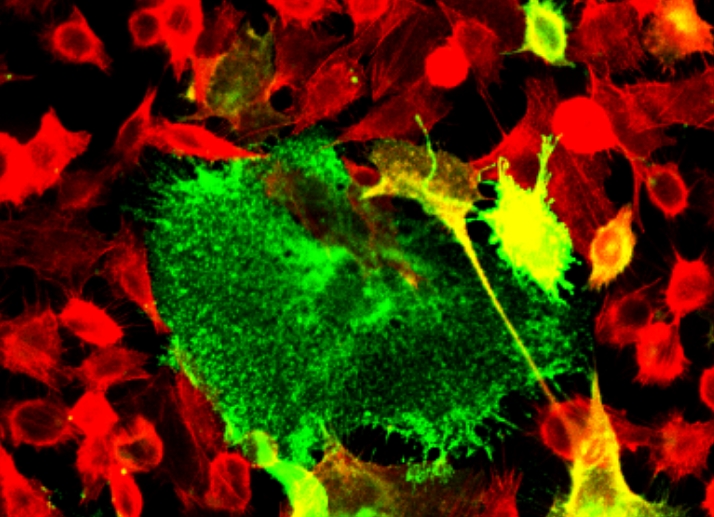

Recently, PRL3 has been found to be upregulated in leaky blood vessels of the eyes which result in fluid leakage into the ocular space leading to distort vision, as seen in wet form of age-related macular degeneration (wet AMD) and diabetic retinopathy & diabetic macular edema.
PRL3-zumab has been shown to inhibit VEGF signaling pathway which causatively results in the formation of leaky vessels in the eyes. Preclinical work has demonstrated the enhanced efficacy of intravenous drug delivery (through a vein the arm) compared to conventional intravitreal eye injections.
Due to the strong drug safety of PRL3-zumab in more than 200 patients enrolled in cancer multinational clinical trials, PRL3-zumab has been repurposed to treat neovascular eye diseases. Regulatory approval from Health Science Authoriry (HSA), Singapore has been obtained to conduct the Phase 1/2 clinical trial of PRL3-zumab, via intravenous route, in wet AMD. The trial has just started in September 2025 – patient recruitment is underway.